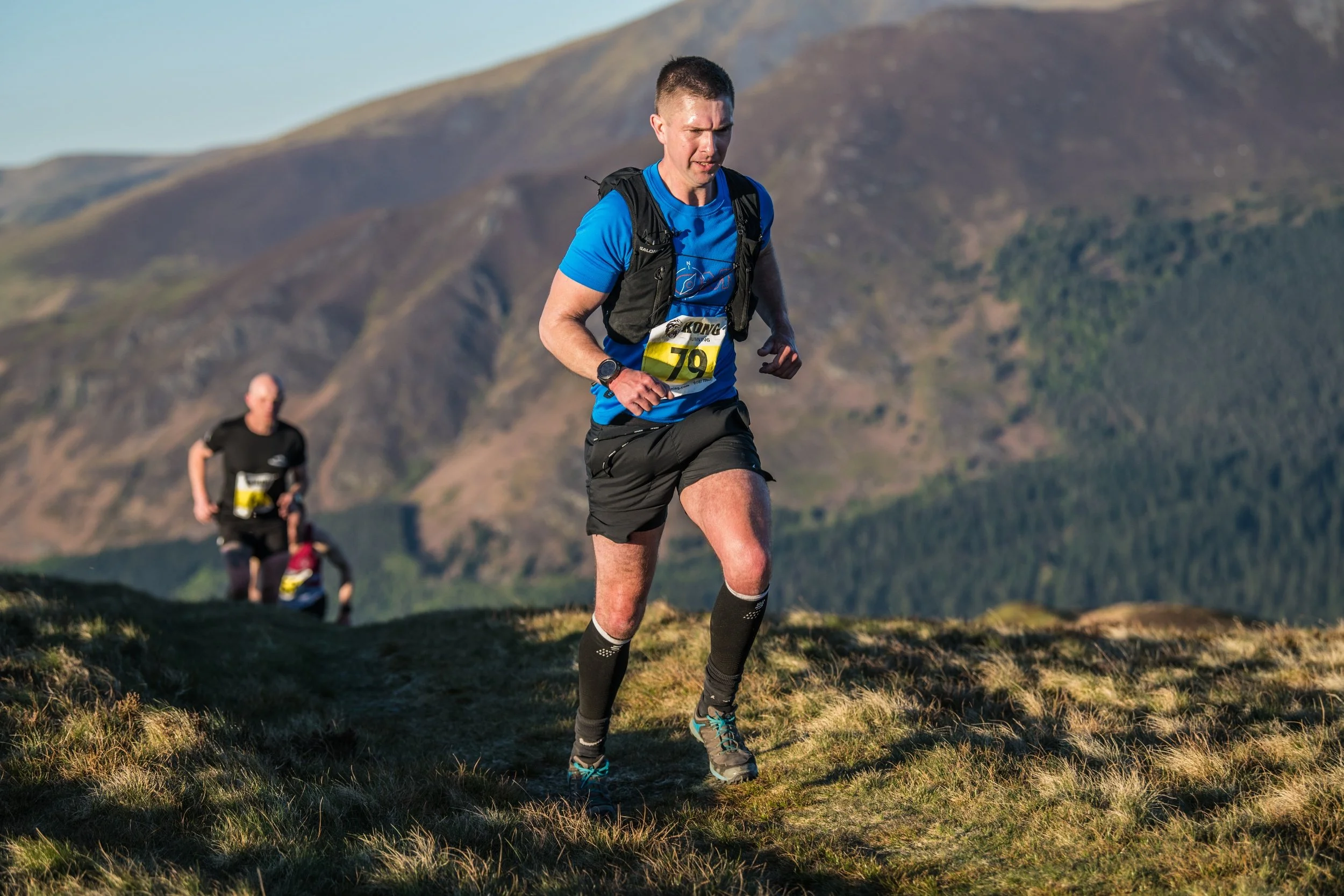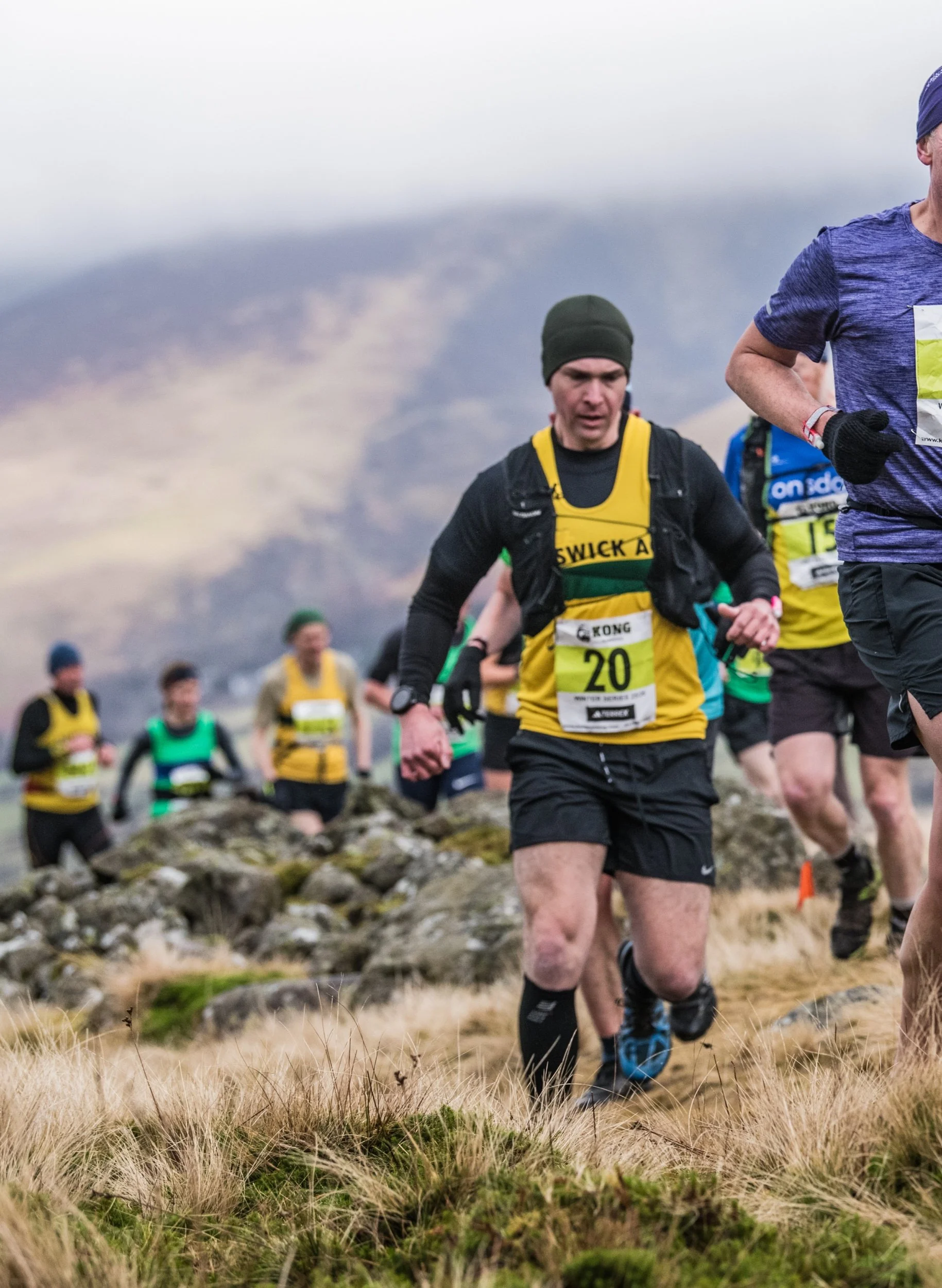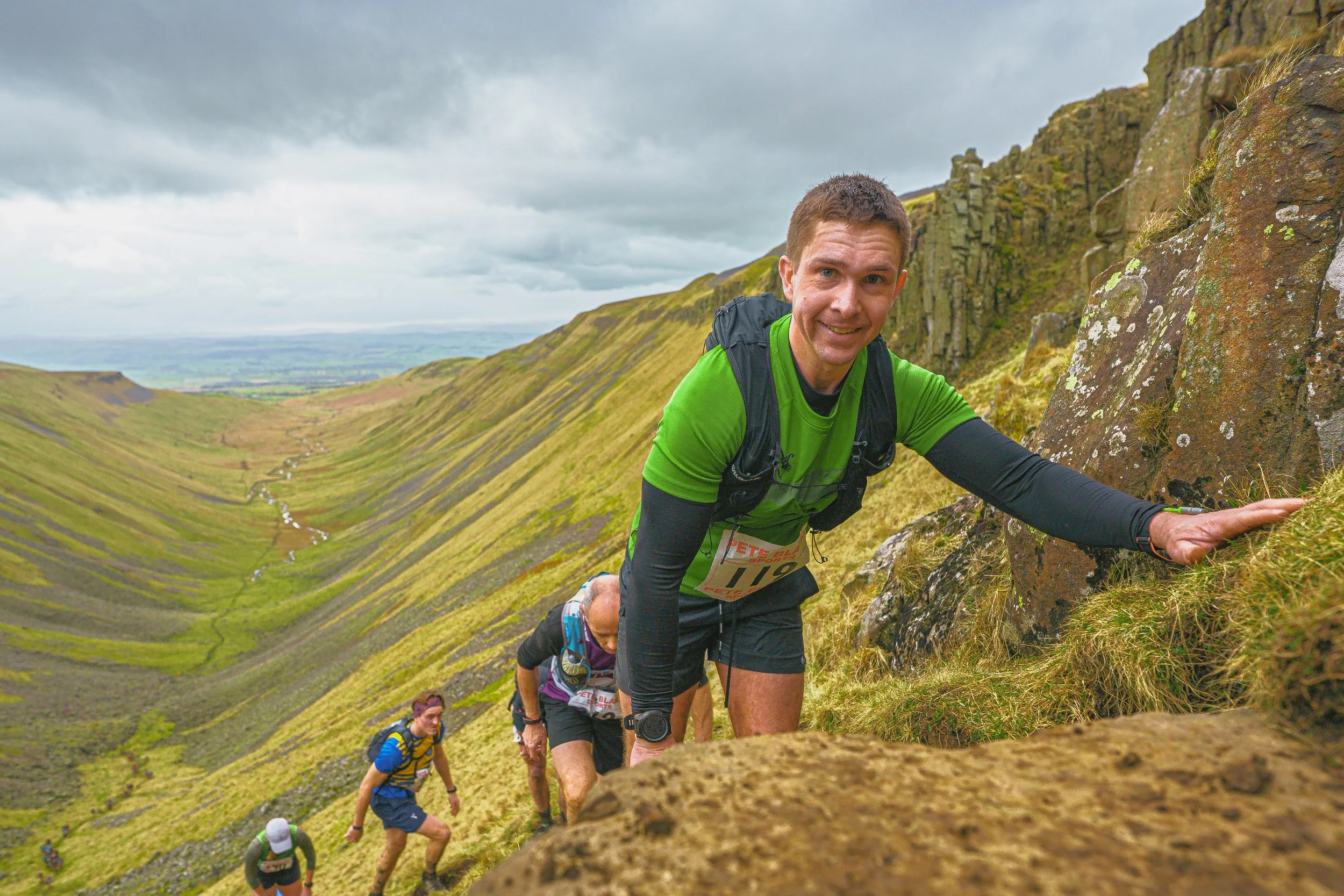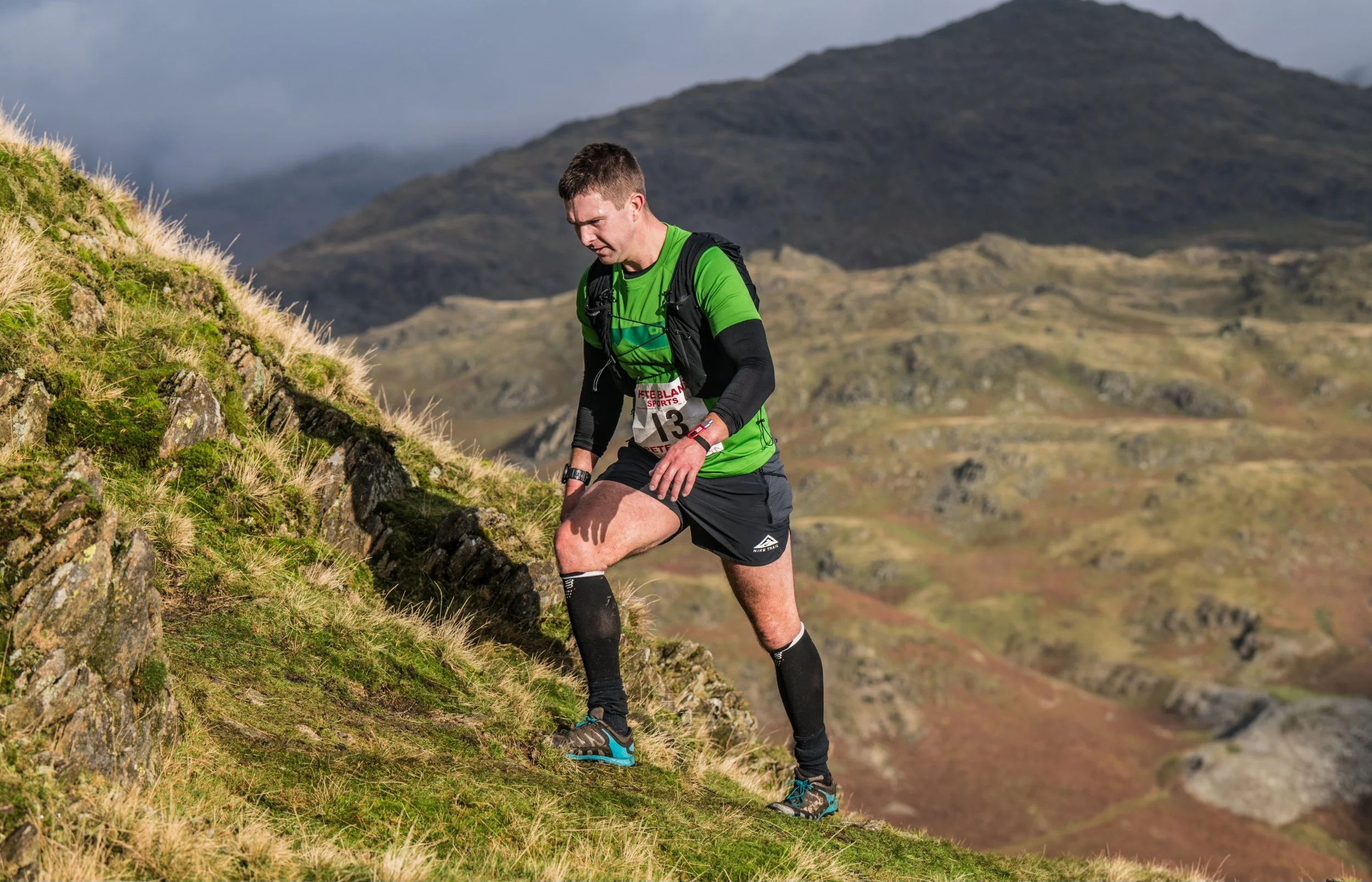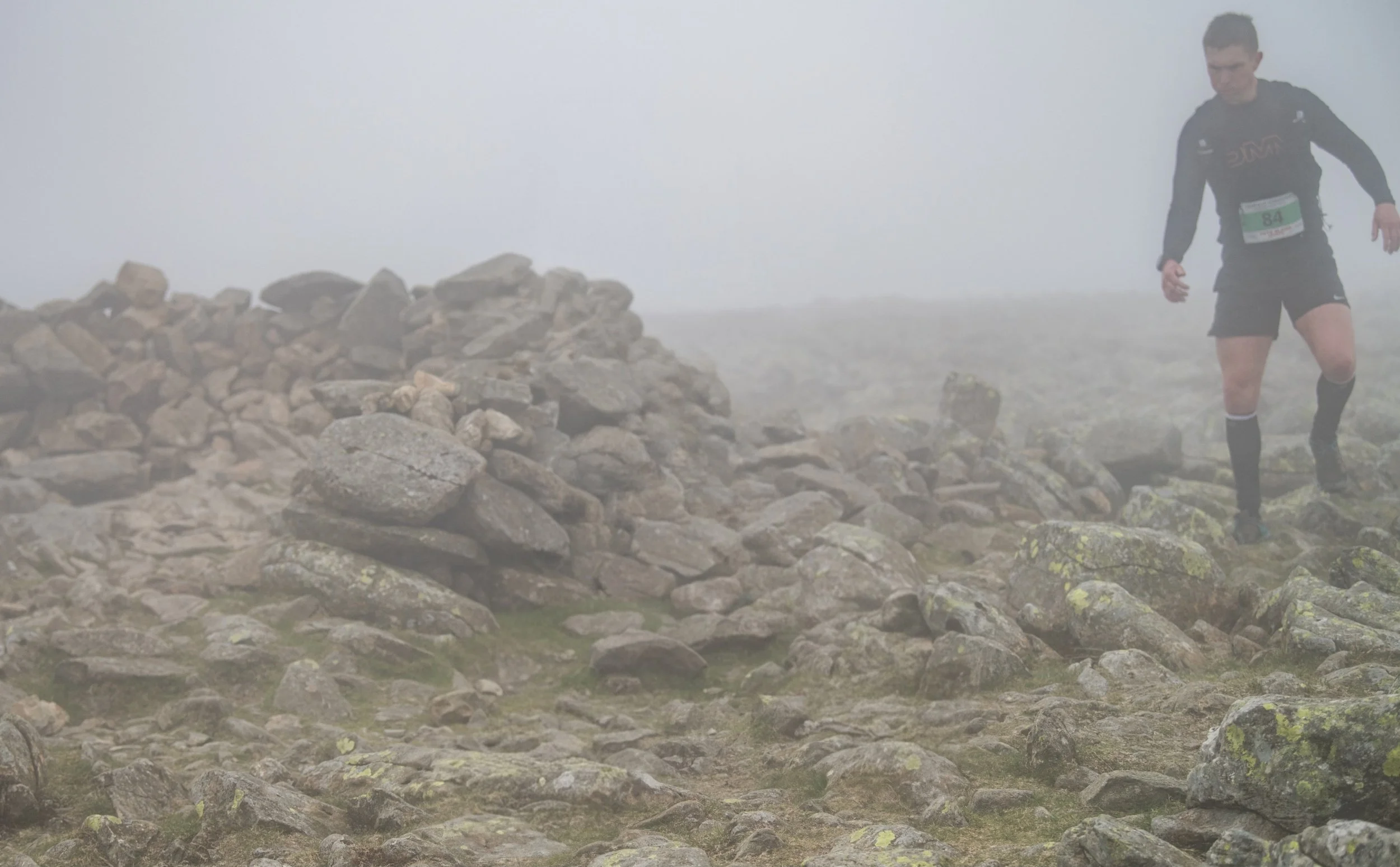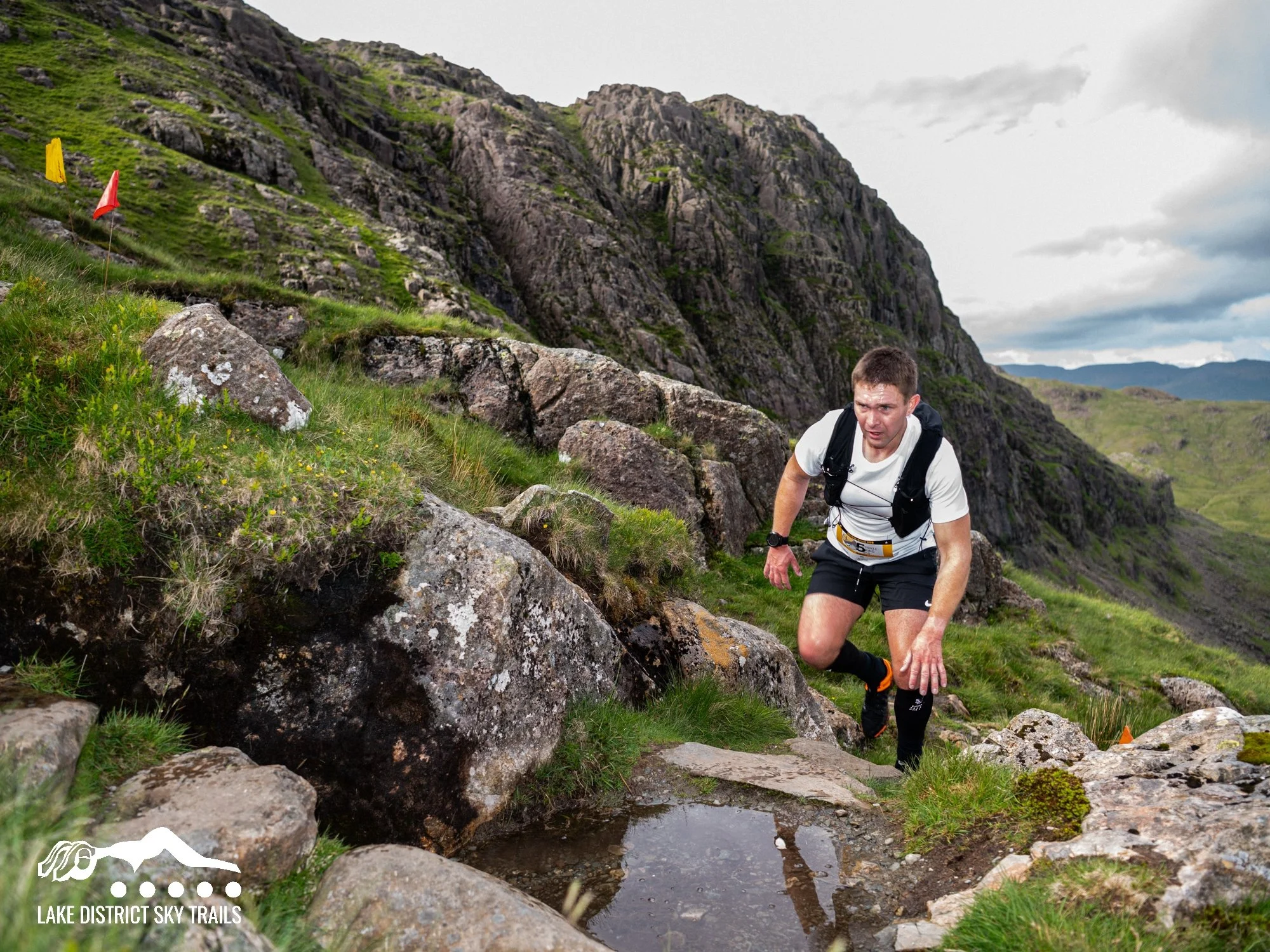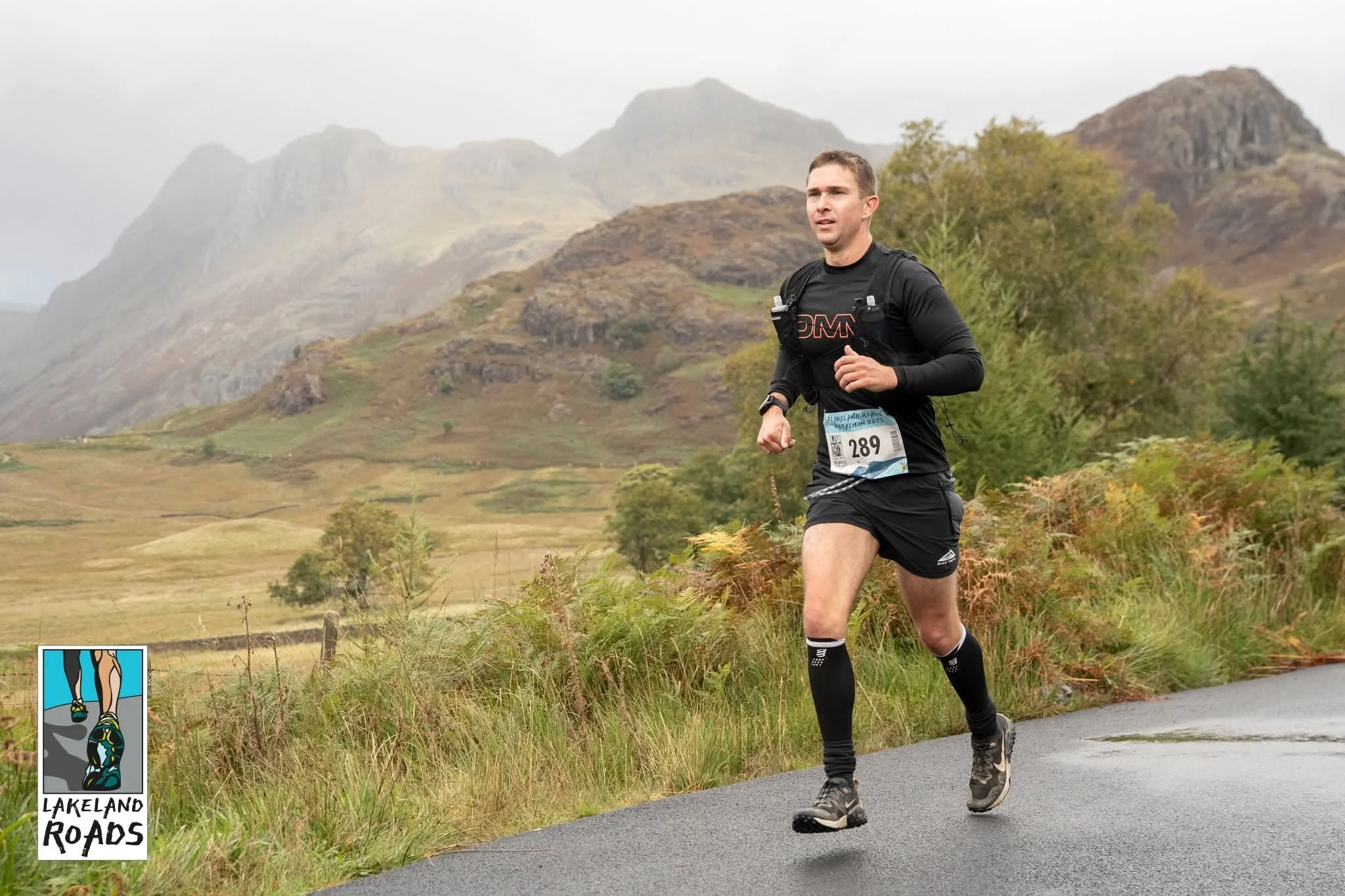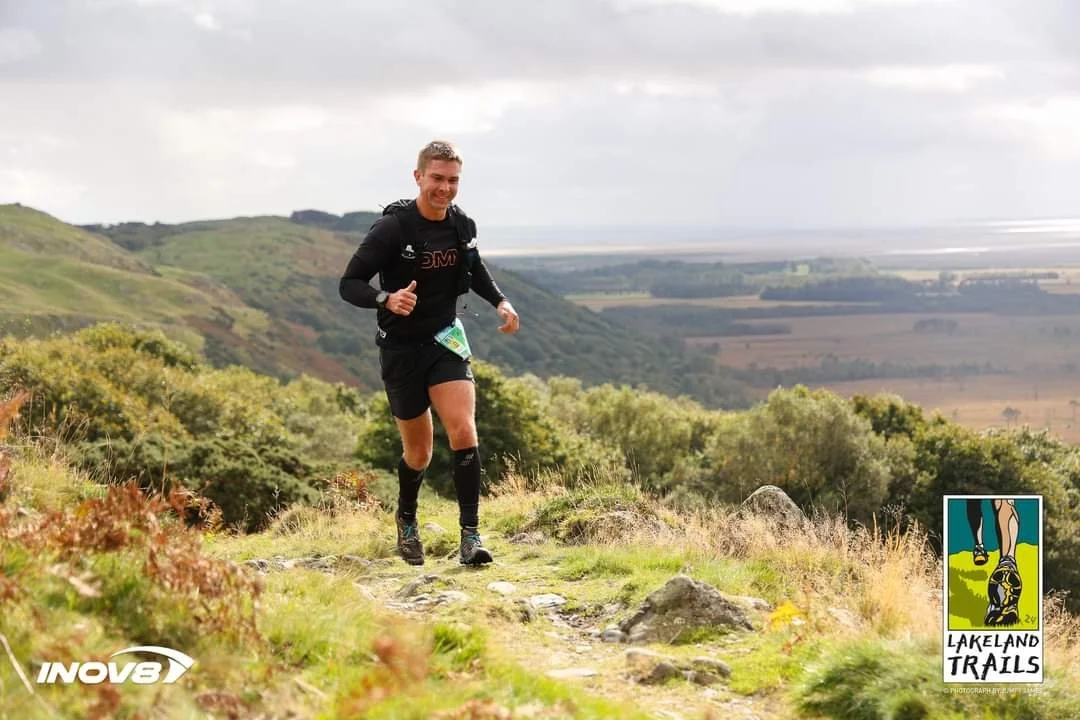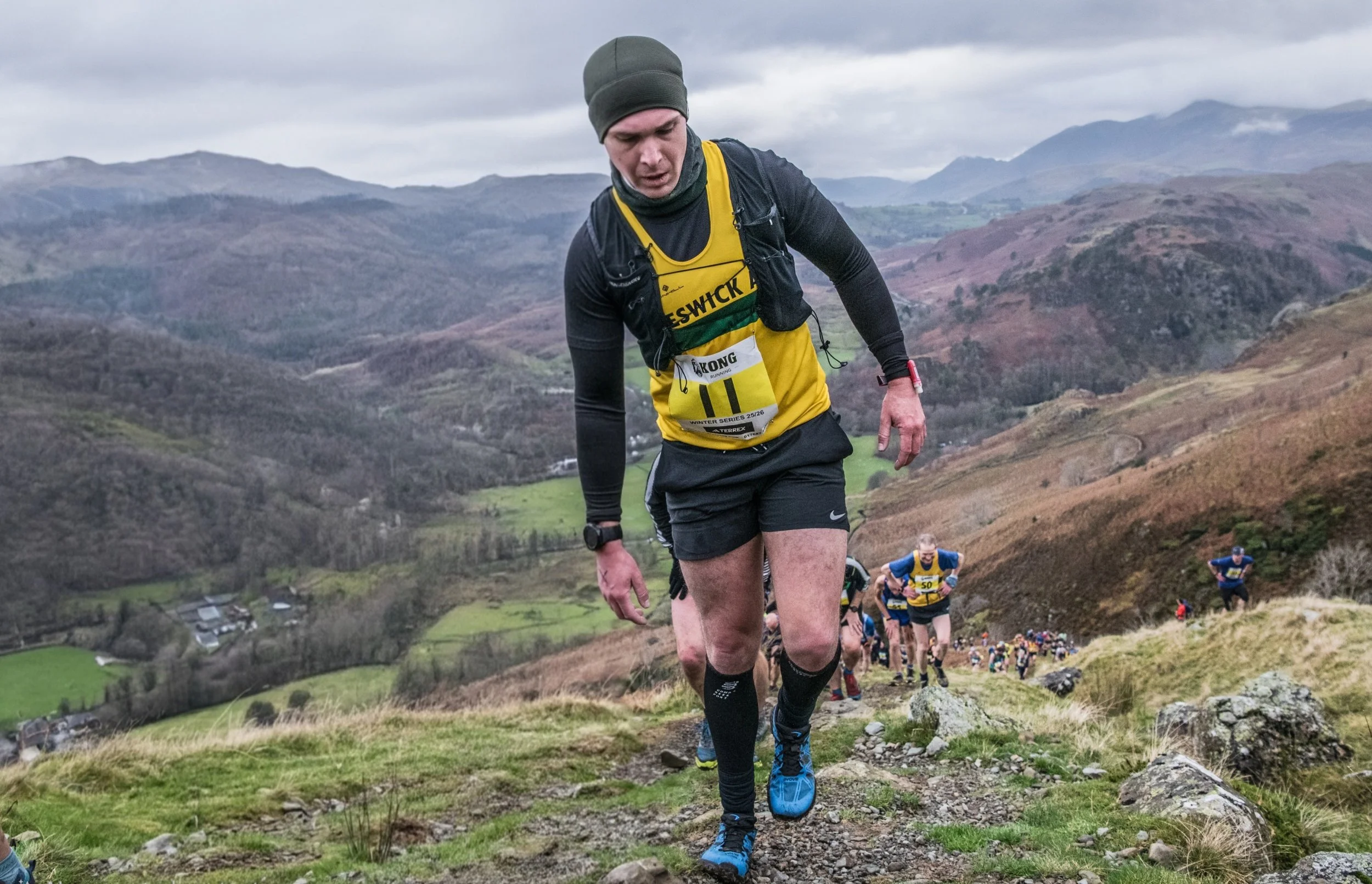
A hobby of mine: fell running.
I want to share my personal experience and knowledge of fell running to help others understand the joys, risks and practicalities of this unique sport; over years of training and racing on steep, technical terrain I’ve learned sound mountain judgement, choose the right kit, manage nutrition and pacing for long climbs and descents, and develop the mental resilience needed when weather or navigation turns against you — I’m eager to pass on route-finding tips, safety practices and training insights that blend hard-won lessons with sensible progression so newcomers can enjoy the hills confidently and experienced runners can refine their approach.
Fell Running on the Fylde Coast
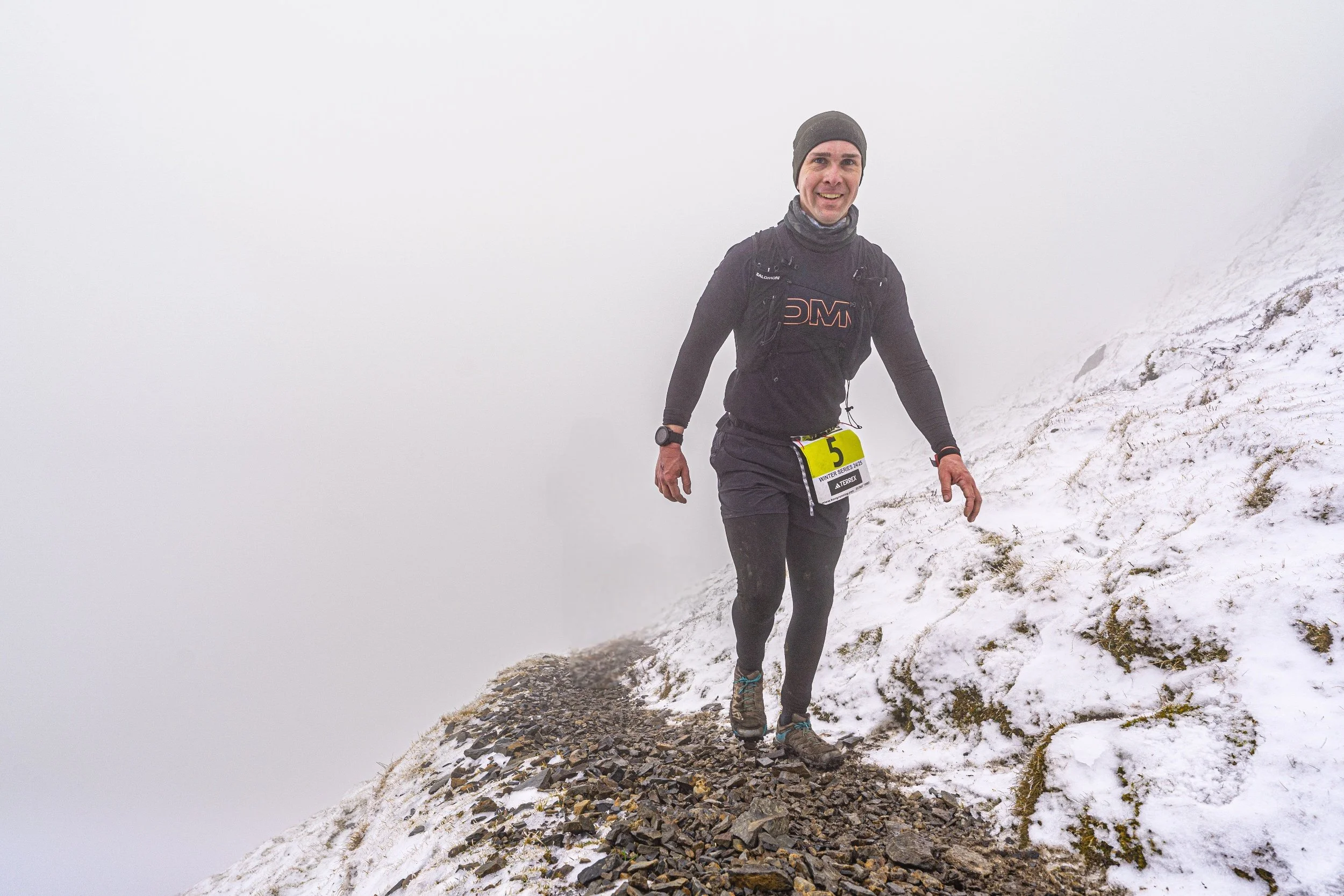
Living on the Fylde Coast means wide skies, sea air and predominantly flat terrain, which can make preparing for fell running hills seem daunting—but it’s entirely achievable with the right approach. Use coastal headlands, dunes, sea walls and any available stepped promenades to mimic gradient work; incorporate interval sessions, heavy legs workouts and hill-specific strength training (single-leg squats, step-ups, loaded carries) to build the power and stability you need; practise descending technique on shingle and grassy banks to improve confidence and control; include trail runs on local undulating routes and occasional longer rides or hill repeats inland to expose yourself to sustained climbs; and structure your sessions with progressive overload, specific pacing and recovery so you adapt without needing immediate mountain access. With consistency, cross-training and smart session design, you can arrive at the fells fit, strong and ready to tackle real hills despite living on largely flat ground.
I started out like a lot of runners — road shoes, a watch and a modest obsession with numbers. Consistent training turned into consistent races: 5Ks in just under 19 minutes became the measure I used to judge progress. I wasn’t fast enough to chase the best, but the steadiness felt good, and the road offered a clear, predictable challenge.
Then I tried a trail race, mostly for variety. The first muddy climb and the excitement of an offroad adventure hooked me. Trails demanded something different: balance, awareness, reading the line through open countryside. Gradually, trail races morphed into fell running. What began as a curiosity became an appetite for steep, amazing views and exciting new places.
I help others with their running journeys — road, trail and fell — by combining sport and exercise science qualifications with practical, lived experience.
What I offer
Individual coaching tailored to goals: from first 5K to ultra-distance and fell racing.
Programme design grounded in physiology: training plans that balance load, recovery and progression.
Technique and gait analysis: practical cues and drills to improve efficiency and reduce injury risk.
Strength and conditioning: targeted exercises to build resilience for uneven terrain and harder efforts.
Nutrition and fuelling strategies: evidence-based guidance for training, racing and recovery.
Mental skills and pacing: strategies for confidence, race focus and dealing with adverse conditions.
Route planning and terrain-specific preparation: technical skills for trails and fells, including navigation, kit and safety.
Why this works
I combine formal sport and exercise science knowledge with extensive hands-on experience across road, trail and fell environments.
Practical coaching that’s realistic: programmes fit around life, work and family commitments.
Emphasis on injury prevention and longevity in the sport, not just short-term performance gains.
Clear, measurable goals and regular review to track progress and adapt plans as needed.
Who this is for
New runners wanting a structured, safe start.
Club runners aiming to improve PBs on road or trail.
Trail and fell runners building technical skill, confidence and strength.
Runners returning from injury who need a managed reintroduction to training.
Experienced athletes targeting longer races or multi-day challenges.
How we’ll work together
Initial assessment: training history, injury background, goals, lifestyle and movement screening.
Personalised plan: progressive training, strength work and race preparation.
Regular check-ins: weekly or biweekly reviews to adjust load and address issues.
On-demand support: Q&A between sessions, race-week plans and taper advice.
Optional one-to-one sessions: technique, strength coaching or guided runs on road, trail and fell.
If you want to discuss your goals and how I can help, tell me your current weekly training, recent race history (if any), biggest challenges and target events or distances. I’ll propose an initial plan and the best coaching format for you.